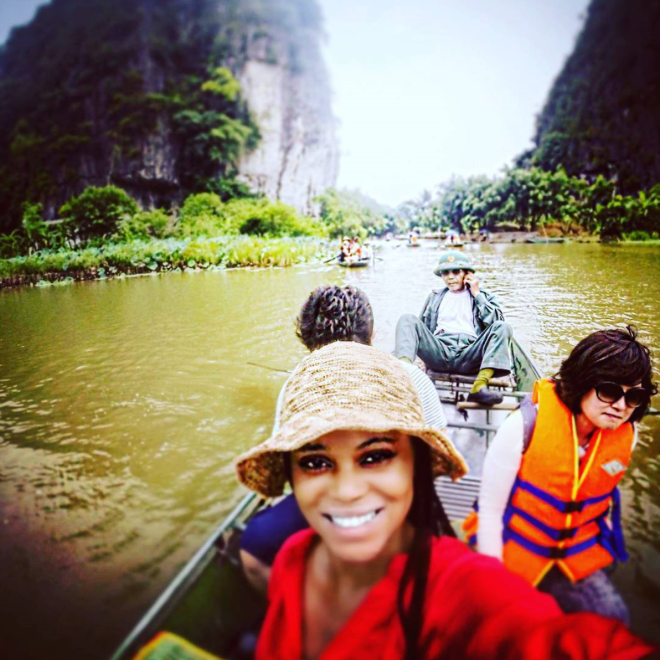
My time in Vietnam was spent between Hanoi and Saigon, taking in the highlights of both regions. While travelling between two chaotic cities it was important to include the rural villages of Vietnam to my itinerary, so I could enjoy the jungle and beautiful mountains of Vietnam. I hope this short summary of Vietnam will help you plan your trip.
Best Time to Visit
Vietnam is a great year-round destination. November to April is the peak time to travel as there is less rain.
Things to do and see
- Halong Bay is a UNESCO World Heritage Site, the best time to visit these lime stone Islands is in March and April.
- Sapa Valley is one of the most indigenous regions in Vietnam, where you can live among the Hmong people and learn about their culture, also a great place to go hiking.
- Cu Chi Tunnels are a network of underground tunnels 136 miles long, which were used by the viet cong soldiers during the American Vietnam war. You can step back in time and learn about the war from Vietnams perspective.
- Golden Bridge opened in the summer of 2018, the new architecture is a pair of giant hands made of stone which appear to be lifting a bridge towards the Sky. A great place to take photos and enjoy the views from and around the bridge.
Food
One of the most popular dishes in Vietnam is Pho rice noodles, which is eaten anytime of day. Spring rolls are also very popular and come in many fillings. Fish cooked in banana leaf and steamed prawn dumplings is also a favourite snack. Some Vietnamese dishes also include a fish source shrimp.
Transportation
Air: There are direct flights from London to Vietnam. Vietnam airlines operate daily flights between Hanoi and Ho Chi Minh City.
Roads: The network of roads are good and well maintained, Road conditions can be difficult to drive during the rain season. Roads throughout the country are numbered, Highway one connects Hanoi with Ho Chi Minh City.
Rail: The main rail routes run between Hanoi and Ho Chi Minh City, the journey takes over 24hrs. Express trains are faster then, local services.
Taxi: Taxis are cheap but a hassle to find during rush hour, Tuk Tuks and motor bike taxis are also very popular throughout the country.
Ferry: Boats, ferries and hydrafoils are used daily to transport, tourist and locals around the country. Several ferries operate from Vietnam to Cambodia.
Bus: Long distance buses operate throughout the county.
Visa
Visas are not required by all EU, U.S, Canadian and Australian nationals for stays up to 15days. For visits up to 30days you can apply for an online e-visa.
Language
Vietnamese is the official language. English is widely spoken especially in the tourist industry. Chinese, Khmer are also spoken. The older generation speak French, and Russian is spoken and understood by the middle aged.
Money
The official currency in Vietnam is the Dong (VND). ATMs are widespread, especially in the major cities. Most banks charge a fee to foreign cards. U.S dollars is an excepted currency in Vietnam.
Tipping
Tipping is very much a part of Vietnamese culture especially in the service industry and you should be prepared to tip minimum 10%
Social etiquette
Vietnamese people who live away from the main towns and cities dress very conservatively. When visiting temples and religious sites it is best to dress conservatively avoiding shorts and sleeveless t-shirts. It is considered unlucky to leave chopsticks sticking up in a bowl, it is believed to represent incense burned for the dead. Ask permission before taking photos.
Adaptor
There are three associated plugs in Vietnam
Wifi
Free wifi is available from most hotels and some restaurants, Free wifi is also available at the airport. High speed connection is only available in big cities.
 Ruth’s Lonely Planet