Travelling to Serbia might raise contention, because of the ethnic conflicts that took place after the breakup of Yugoslavia. the individual wars of independence and nationalism saw Serbia heavily involved in the devastating Yugoslavia Wars. While Bosnia and Herzegovina, Croatia, Macedonia, Montenegro and Slovenia have gained their independence, Kosovo however is still not recognized as an independent country by Serbia. But since 2008 Kosovo declared its independence which is recognized by 112 UN member states. Despite the political issues, Serbia today appears to be co-existing with its neighbors. I travelled into Serbia from Bosnia by bus and took another bus from Belgrade exiting into Kosovo. I enjoyed the road trip through Serbia, the only thing I didn’t enjoy was the fact the driver and other passengers could smoke on the bus. Hours on a smoking bus was not fun. I spent a week in Serbia and think its more than enough time to take in all the highlights. I hope this short summery of Serbia will help you plan your trip.
Best Time to Visit
April to November is the ideal time to visit Serbia as the snow has stopped and the weather is warm.
Things to do and see
- Belgrade’s historical tunnels/caves: In Belgrade you can go on a tour which takes you below ground to experience underground forts, the tunnels and bunkers and caves were made through the ages, from Roman times, the Ottoman Empire invasion and the Cold War.
- Belgrade’s street art: Is part of the modern art movement, you can go on a walking tour to explore the city’s street art and learn how these pieces of graffiti and street art are shaping the culture in Serbia.
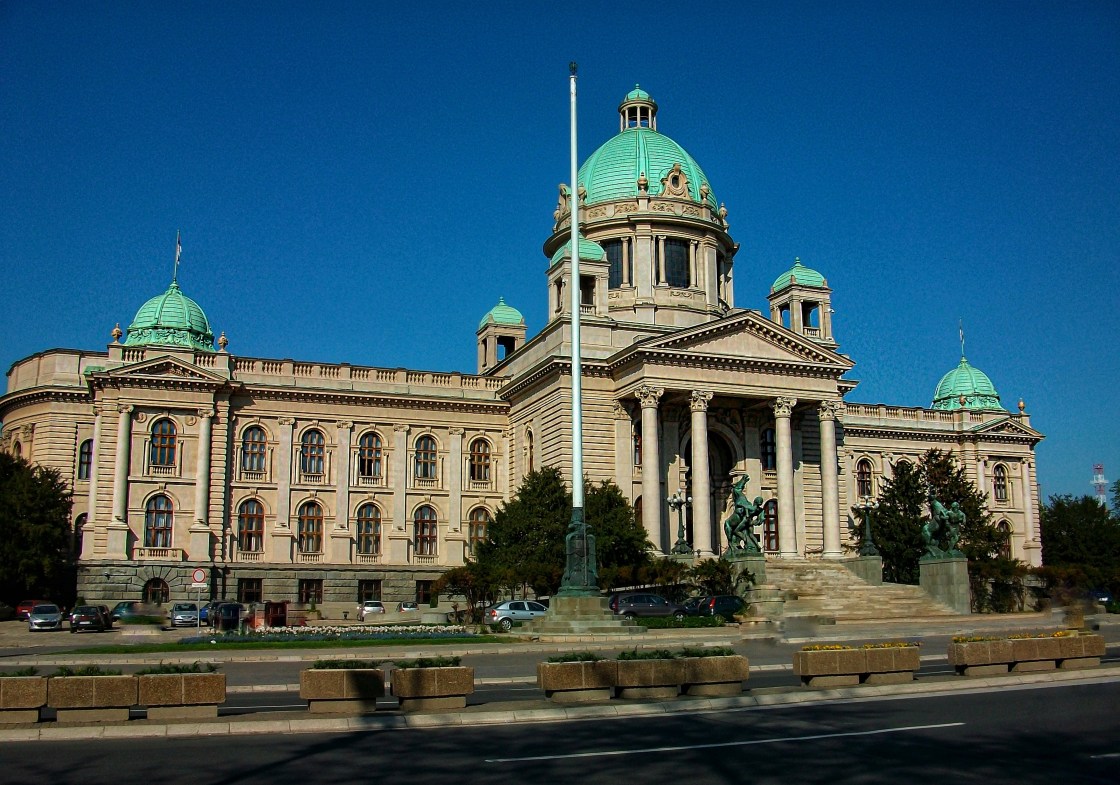
- Tour of Communist leader Josip Broz Tito: You can explore the Palace of Serbia and learn more about the controversial Yugoslavian leader.
Food
Serbian food is a fusion of Turkish, Hungarian and Mediterranean cuisine. Three popular dishes to try when in Serbia are Sarma, which is a cabbage roll with minced meat and rice served with a side of sour cream. The second dish to try is fis Paprikas, which is a delicious fish stew. The third Serbian dish is prebranac, which is a baked beans stew, which is also made as a soup.
Transportation
Air: Serbia has 5 international airports; the main airport is the Belgrade Nikola Tesla Airport in Belgrade which accounts for 95% of flights travelling to and from Serbia. There are no internal flights within Serbia.
Roads: The roads in and around the cities in Serbia are paved and well maintained, however driving at night is not advised in the country side, as some of the roads have pot holes and are not well maintained. On the motorway there are tollbooths which charge more for foreign licence plates. Drivers drive on the right-hand side of the road.
Rail: The domestic rail service is generally slow and unreliable. Destinations that are connected by rail are Belgrade, Subotica, Nis and Nov Sad. International travel by rail connects you to Croatia, Slovenia and Montenegro.
Taxi: Uber is available in Serbia and so are metered taxis. Taxi drivers in Serbia rarely understand English so write down your destination in Serbian.
Ferry: You can travel to Serbia by ferry through Montenegro and Italy.
Bus: Travelling by bus is the most popular way to travel around Serbia. There are also Coaches that travel internationally to neighbouring countries. Major cities have local buses and trams that connect the whole city.
Visa
Visas are not required for all E.U, U.S, Canadian and Australian nationals. For stays of up to 90days in a 6month period. Make sure you get an entry stamp on arrival, especially if you arrive by bus and plan to exit through Serbia as you will face a fine on Departure. Make sure you do not entre Serbia through Kosovo if you plan to exit through Serbia as you will also be subject to a fine, Serbia does not recognise entry stamps from the republic of Kosovo. Within 24hrs of arriving in Serbia you must register with the police, if you are staying at a hotel, they will do this automatically at check in.
Language
The official language spoken in Serbia is Serbian, Hungarian and Albania is spoken in the North. Do not expect English to be widely spoken.
Money
The official currency in Serbia is the Serbian Dinars (RSD) ATMs are commonplace in big cities like Belgrade, but in the country side they may be hard to come by. Most machines will accept all major credit and debit cards. Be aware that foreign cards usually incur charges. Most big cities have Currency exchanges where you can change foreign currency to the Serbian Dinars. You will need your passport to exchange money.
Tipping
10% is expected.
Social etiquette
Photography is not allowed at airports. Do not take photos of military installations either. You should ask permission before taking photos of people, older people are suspicious of having their photo taken.
Adaptor
There is one plug associated with Serbia the standard Type F plug with the two-pins.
Wi-Fi
There are many Internet cafes throughout Serbia, most hotels and restaurants provide free Wi-Fi also.
 Ruth’s Lonely Planet