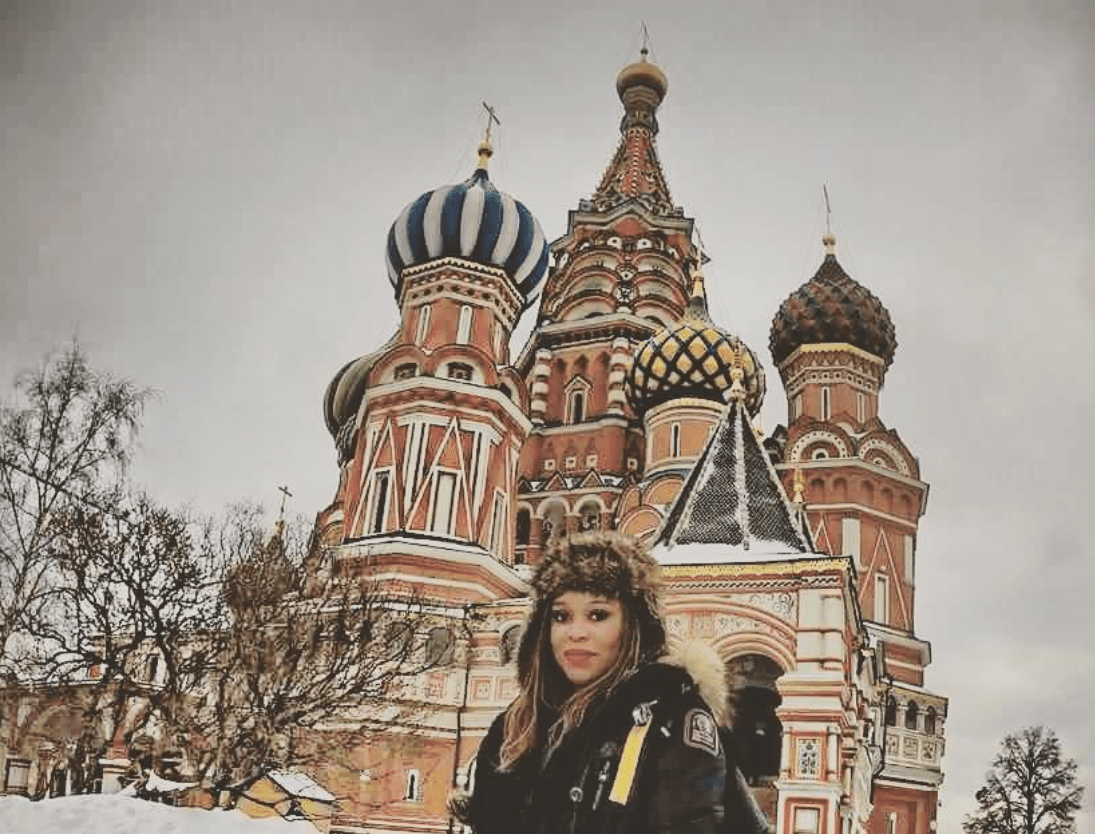
Russia is full of unbelievable landscapes and terrains; the Ural Mountains, enormous forests in Siberia and the volcanic regions of the far East of Russia. There are also 23 UNESCO World Heritage sites in Russia. My trip to Russia started in Moscow the capital, where Europe and Asia blend together, there are lots of shopping malls and restaurants on every corner many of which are open late or 24/7. My trip ended in St Petersburg which gave me a captivating glimpse into Russia’s historical past. There are many museums, galleries and religious monuments to keep you busy. I hope this short summery will help you plan your next trip.
Best Time to Visit
Summer is the popular time to visit and for those wishing to visit Mongolia on the Trans-Siberian railway this is the ideal time of year. Spring and autumn offer less crowds. Thanks to its coastal location, St Petersburg doesn’t experience the severe cold of the rest of Russia at winter so can be visited all year round.
Things to do and see
- St Petersburg: Is a great city to Enjoy in Russia. There are many beautiful Cathedrals and palaces to explore. A great city to spend a few days while in Russia.
- Red Square: is in the central square of Moscow, together with the Kremlin, it was named a UNESCO World Heritage Site in 1990.Today Red Square also serves as a major concert venue and is used for different ceremonies. An iconic location to take pictures while in Moscow.
- Russian Ballet: In St Petersburg a popular thing to do among tourist and locals is to go and witness the world’s most renowned dancers’ composers and musicians at the ballet. There are many shows to Choose from including ‘The Nutcracker’, ‘Swan Lake’ or ‘Romeo and Juliet’ at the Mariinsky, Mussorgsky or the Alexandrinsky theatre.
- Lake Baikal: is beautiful all year round. Especially in winter the lake is a frozen picturesque landscape, surrounded by mountains covered with snow and boundless white space.
Food
Russia may not come to mind when you think of food destinations, but the country has plenty of great dishes worth trying. Three popular Russian dishes to try are pirozhki, which are little baked or fried puff pastries packed with potatoes, meat and cabbage. The second dish to try is Borscht, which is a beet soup full of meat and vegetables, including potatoes. It can be served hot or cold. The third dish is Beef stroganoff, which is made of beef strips in a creamy sauce served with rice, noodles, or potatoes.
Transportation
Air: Majority of the international flights into Russia will fly into Moscow. The three main airports in Moscow are Sheremetyevo, Domodedovo and Vnukovo.
Roads: Russia is the biggest country in the world and travel by road takes a considerably long time. Many of the roads in large cities are paved and well maintained, but some roads in and around smaller towns will not be as easy to drive. In winter many of the roads in Russia are dangerous to drive. Driving in Russia can also be difficult because of the traffic police. Drivers drive on the right -hand side of the road.
Rail/Metro: If you do not speak or understand Russian, the Metro can seem complicated to use. But is very easy, Moscow Metro is also a tourist attraction due to the beautiful architecture in some of the stations. Travel between different Russian cities is often done by train. The Trans-Siberian Railway is a network of railways connecting Moscow with the Russian Far East. from Moscow to Vladivostok, it is the longest railway line in the world. There are also connecting lines to Mongolia, China and North Korea.
Taxi: Uber is available in Russia and so are metered taxis. It’s very difficult to hail a cab off the street, so it’s advised to call in advance or wait at a taxi stand. Foreigners will often incur a higher starting rate, so know approximately how much your journey should cost. Taxi drivers in Russia rarely speak English so write down your destination in Russian.
Ferry: There are numerous cruise boats plying the routes between Moscow and St Petersburg, many stopping at some of the Golden Ring cities on the way. There are also international ferry services to Japan, Korea, Turkey, Georgia, and Ukraine. There are no ferries between Russia and Baltic Countries or Scandinavia.
Bus: Long-distance buses are used in Russia for trips between cities, as they offer routes and schedules that trains often don’t cover. Bus tickets in Moscow can be bought on the bus, but the driver will rarely give you change. Most cities have their own travel cards that combine use of metro, bus and the trolley cars.
Visa
Visas are required for all E.U, U.S, Canadian and Australian nationals. The price for a visa varies depending on your nationality, you can contact your nearest Russian embassy or see http://ru.vfsglobal.co.uk/
Language
The official language spoken in Russia is Russian. Do not expect English to be widely spoken.
Money
The official currency in Russia is Ruble (RUB) ATMs accept all major credit and debit cards. Credit cards are also accepted at some sit-down restaurants and most bars and bus stations. Be aware that foreign cards usually incur charges. Most towns and cities have Currency exchanges where you can change foreign currency to Ruble, you will need your passport to exchange money.
Tipping
5-10% tip is the norm in restaurants and cafes.
Social etiquette
Photography is not allowed on the metro and airports. Do not take photos of military installations either. You should ask permission before taking photos of people, older people are suspicious of having their photo taken. In working churches and religious places, men must take off their hats and women are expected to cover their heads.
Adaptor
There is one plug associated with Russia the standard Type F plug with the two-pins.
Wi-Fi
There are many Internet cafes throughout Russia, most hotels and restaurants provide free Wi-Fi also.
 Ruth’s Lonely Planet