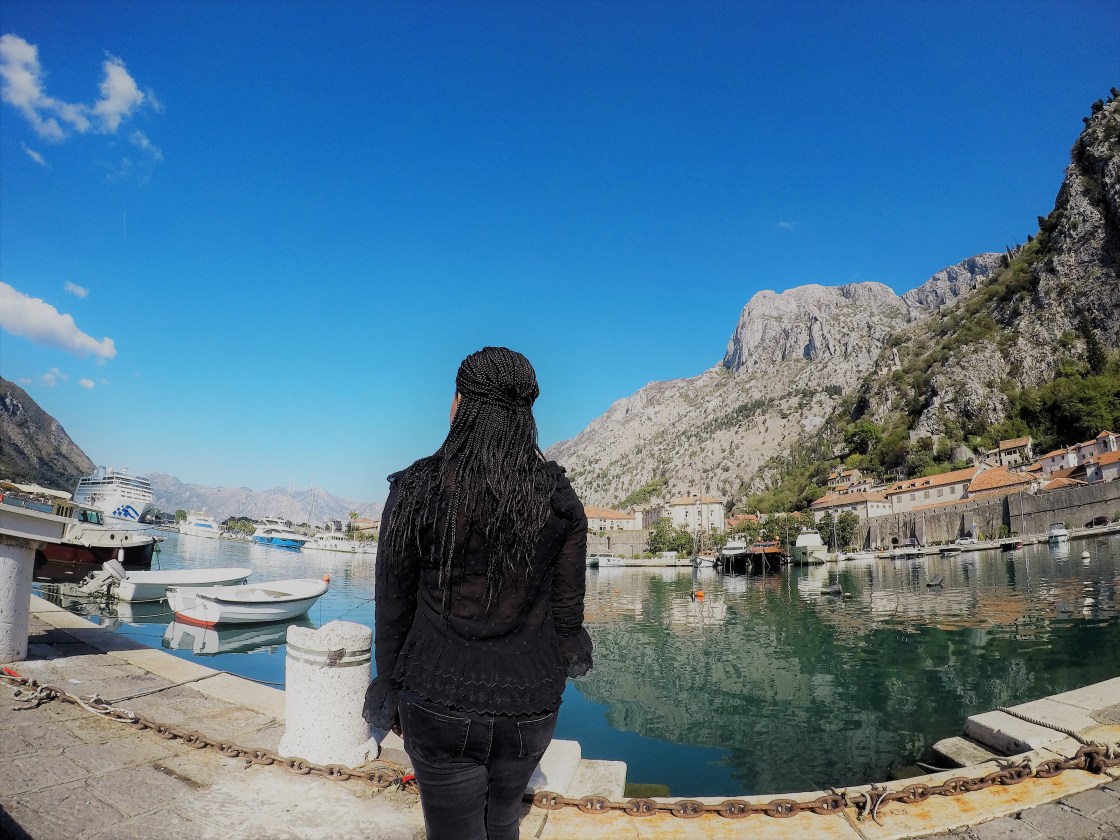
Montenegro is an ideal country for passionate walkers. I did a lot of walking in Montenegro’s national parks and then spent a few days relaxing on the Montenegrin beach coast. I also spent a few days in Kotor with its spectacular scenery, amazing cliffs that surround deep blue waters. Montenegro is extremely beautiful and cheap destination to travel. I hope this short summary of Montenegro will help you plan your trip.
Best Time to Visit
Montenegro has two seasons: summer and winter. The coast has a Mediterranean climate with summer months between April and September. July and August benefit from average temperatures of 27 degrees Celsius. Montenegro’s mountains are much colder with a lot of snowfall during the winter months. Making places like Kolašin popular ski destinations. To enjoy the sun, visit Montenegro’s coast between April and September. To avoid the crowds, visit before July and August.
Things to do and see
- Lovćen National Park: Is home to Mount Lovćen, the huge black mountain that gave Montenegro its name. Lovćen National Park is also an important cultural site as the remains of one of Montenegro’s greatest Prince-Bishops and poets were laid to rest at the top of the mountain. The site undoubtedly has the best panoramic views of Montenegro.
- Sveti Stefan: Is a luxurious tourist complex in Montenegro, visited by many celebrities. The complex is an iconic tourist destination worth visiting, but a lot more expensive then the rest of Montenegro.
- Kotor: Kotor Bay is the most visited Old City of Montenegro and one of the Top 5 tourist attractions of Montenegro. Kotor will surely leave you breathless.
Food
Montenegrin food is heavily influenced by Italian, Turkish and Greek cuisine. The food is usually fresh, organic and locally sourced in many places across the country. Being close to the sea, Montenegro has a lot of fish and seafood dishes. The most popular three dishes to try when visiting Montenegro is Kačamak, which is mashed boiled potatoes mixed with cornmeal and a white cheese. It’s a dish that’s usually eaten in the morning to give you energy throughout the day. The second dish to try is any fish dish including Drying fish, the fish is scaled, grilled and laid out under the sun. When the drying process is complete, it is smoked over a fire and placed into bags. Dry fish is also boiled in the winter and served with vegetables. The third dish to try is the local salads which are made with coarsely chopped vegetables and dressed with olive oil and vinegar. Montenegro is a small country, but you can still find differences in the foods eaten around the coastal area, versus the mountains which cover majority of the country.
Transportation
Air: Montenegro has two international airports, Podgorica Airport and Tivat Airport.
Roads: Many of the roads connecting the different towns in Montenegro are curvy mountainous roads which do not permit speeds over 30km/h. Drivers in Montenegro drive on the right-hand side of the road.
Rail: Trains in Montenegro connect you to Serbia as well as local destinations including Bar and Podgorica. Montenegro has Europe’s highest railway which has scenic views through the Adriatic coastline and imposing mountains, train rides in Montenegro are stunning.
Taxi: All authorized taxis in Montenegro are metered, there are also many unauthorized taxis.
Ferry: All year round there are scheduled ferry lines from Bar to Bari (Italy) and Bar to Ancona. During summer season the number of lines enlarge and so there are ferries from Kotor to Ancona.
Bus: Montenegro has a well-organized bus network, within the country and abroad. The main bus station in Montenegro is Podgorica which is also the capital of the country. From Podgorica there are daily buses to bigger and smaller towns in the country; The number of bus lines within the country is usually increased during the summer season, especially to tourist destinations. International bus transport in Montenegro connects to neighboring countries like Bosnia, Croatia, Serbia, Albania, there are also connections to Macedonia, Turkey, Germany, Slovenia, Luxembourg and France.
Visa
Visas are not required for all E.U, U.S, Canadian and Australian nationals for stays of up to 90days over a 6month period.
Language
The official language spoken in Montenegrin is like the Serbo-Croatian language that was once spoken throughout Yugoslavia. English is also widely spoken.
Money
The official currency in Montenegro is the Euro. ATMs accept all major credit and debit cards. Credit cards are also accepted at some sit-down restaurants and most bars, however bus stations, bakeries, small corner stores and cafes will only except cash.
Tipping
Tipping isn’t common practice, however Upmarket restaurants that don’t include a service charge will expect a 10% tip as standard. For taxi drivers, rounding up to the nearest euro is expected.
Social etiquette
Roughly 70% of Montenegrins are Orthodox Christian and 20% are Muslim. There are also a small number of Catholics. Montenegro once formed the Federal Republic of Yugoslavia. In 2006 Montenegro voted for independence. Since then has been working to build on its own traditions and identity.
Adapter
There is one plug associated with Montenegro the standard Type F plug with the two-pins
Wi-Fi
There are many Internet cafes throughout Montenegro, most hotels and restaurants provide free Wi-Fi also.
 Ruth’s Lonely Planet