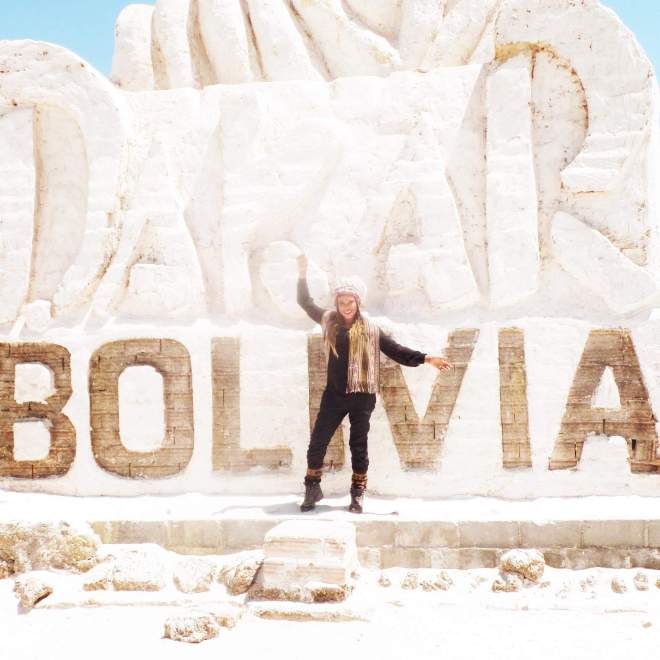
Bolivia is struggling to catch up to its Andean bedfellows Peru and Chile, and travel in this isolated land requires a relaxed and open mind. Yet, as our specialists will tell you, what Bolivia lacks in polish (and development), it makes up for in scenic splendour. The great white desert of the Salar de Uyuni salt flats is the first stop on most Bolivia tours, and our specialists will show you how to explore it to the full. But they’ll also steer you toward the flamingo-haunted lagoons and mud geysers of the southern altiplano or the Amazonian savannah of Madidi National Park on your holiday to Bolivia.
Bolivia has a largely indigenous culture, whose lifestyle and crafts have survived Spanish conquistador rule and modern commerce. Our specialists can help you experience it all first-hand, from a visit to La Paz’s witches’ market to breaking bread with Lake Titicaca’s island communities.
BEST TIME TO VISIT
Although Bolivia is a country of climatic extremes, it is a destination that can be visited all year. The best time to visit the highland areas is April to October – this is the cooler winter period, but it should be dry with plenty of sunshine. In the southern Altiplano, the sky will be blue but it will be very cold, dropping to well below below freezing at night. The summer rainy season from November to March can cause some disruption on the roads, but travel is still possible, and the lower visitor numbers are a bonus of visiting at this time. The eastern lowlands, including Santa Cruz and the Amazon, enjoy warm temperatures year round.
What to Pack
Things to do and see
Food and drink
Grains and potatoes form the staple diet of the highlanders, often cooked with chilli-like sauces. There are many nourishing varieties of soups, and little meat pastries are very popular. In the lowlands, food is based more around the rice, yucca and bananas grown there. The local beers are cheap and tasty, and chicha is a traditionally potent Andean alcohol made from fermented corn.
How to Get Around
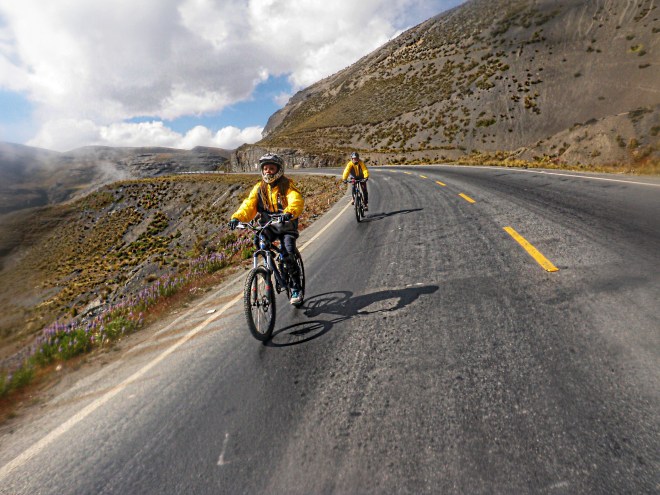
We use internal flights between the main towns, but outside of these areas a lot of the travelling is done on bumpy roads in 4×4 vehicles, accompanied by a guide and skilled driver.
We are aware that travelling extensively through Bolivia can be a little arduous due to the distances involved, the altitude and the frequent delays, but firmly believe that it is more than worth it.
VISA
UK passport holders require a Cuban Tourist card to visit Cuba: we can arrange this on your behalf. As well as being a fantastic country to visit in its own right Cuba can very easily be combined with Costa Rica or Mexico.
Where i visited
Language
Spanish is the official language, English is rarely spoken. Many indigenous communities in the highlands still have the ancient languages of Quechua and Aymara as their mother (and in many cases only) tongue.
money and expense
The Bolivian currency is the boliviano (divided into 100 centavos), and it is relatively stable. It is virtually impossible to change outside of the country. Change is usually in short supply. Changing US dollars or traveller’s cheques (not sterling) in banks and bureaus de change is relatively easy, automatic cash dispensers are becoming more widespread in the major cities and towns. Visa and Mastercard are quite widely accepted.
Tipping
Tipping for good service is an accepted fact. Amounts are obviously discretionary.
Social etiquette
Please ask permission before taking photographs.
Adaptor
WIFI
 Ruth’s Lonely Planet